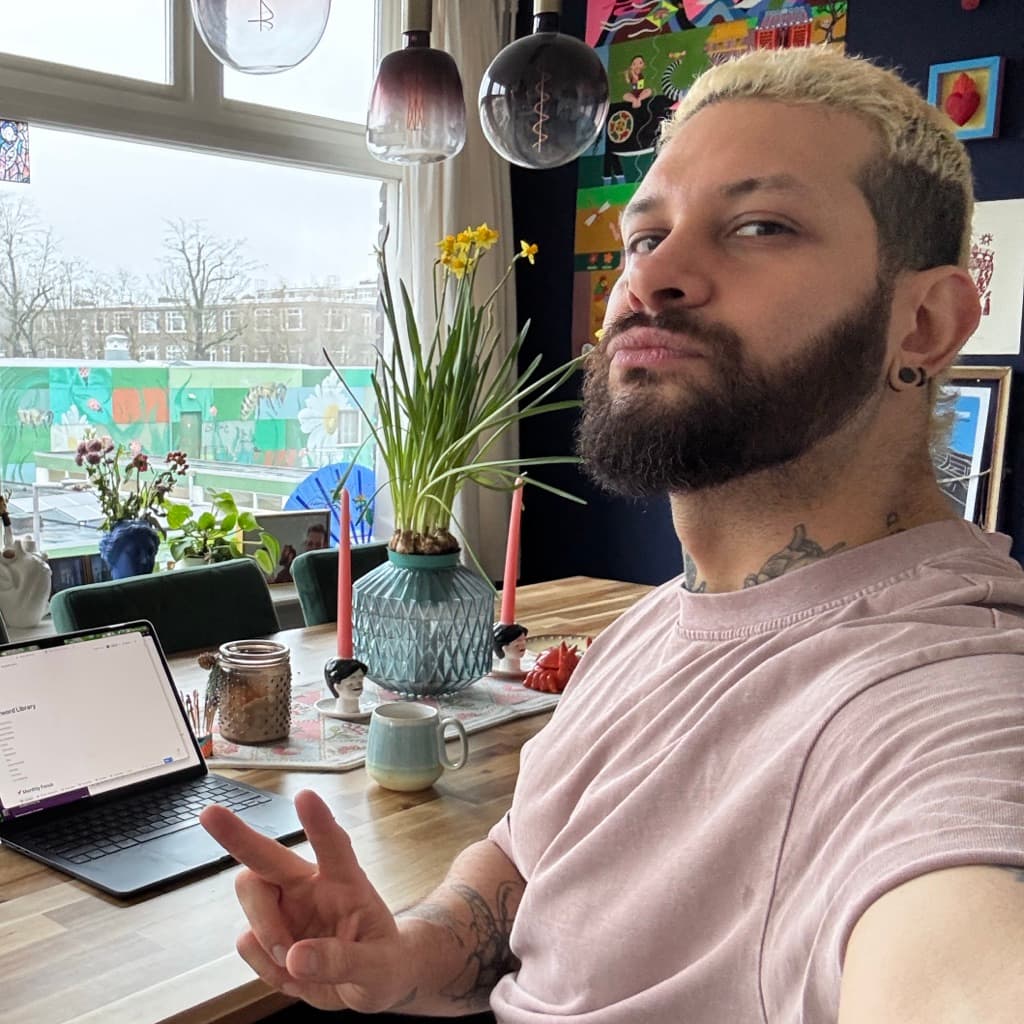
A conversation about the universal social rules we all should follow, from airplane etiquette to showing basic courtesy in everyday life.
Some rules don't need to be written down. They're golden rules, rules of thumb for life that transcend culture, gender, race, and class. They're not about where you're from or when you grew up. They're about acknowledging that there are other people around you, that we're not alone, and that the whole is supposed to matter more than the individual.
We're living in a time where individualism has gone a bit too far. The self narrative where "I decide what's facts" has crept into everyday interactions, making people forget the basics of living together in society. But some things should just be understood without needing to be said.
The biggest pet peeves often happen during transportation. There's something about being in transit that brings out either the best or worst in people.
First up: people who stand up before the seatbelt sign goes off on planes. We all have to line up. Common courtesy says the people in front of you leave before you do. When you jump up the moment the plane touches down, you're essentially saying your time is more valuable than everyone else's. We're all going through this together. We all have to get out at the exact same time. Why do you think you're more important?
When you stand up early, you are thinking that your time is more valuable than the others. We all have to get out at the exact same time.
Of course, there are exceptions. Like that flight where the crew asked everyone to stay seated so passengers with tight connections could deplane first. Everyone just sat there and waited. That's how it should work. If you don't have a connection, stay seated and let everyone else get home fast. We're all trying to get home.
The second one is equally basic: people who don't thank the flight attendants when they get off the plane. They're working. They take care of you, even if it's only an hour. It's a tough job, and they're not there out of the goodness of their hearts. At least say goodbye or acknowledge them when they say "have a nice trip." It's one of those things that sticks with you, tracking who's thanking and who's just walking past without a word.
Acknowledge that there's other people around you. We're all in this together.
Then there's the car horn situation. There's a nice way to beep at people (a short, high pitched "meep") and then there's the aggressive way where people press on the horn like they're trying to punish someone. It's so unnecessary.
You don't know who's driving the car. It could be an elderly person. It could be someone who's new to the city and trying to navigate it for the first time with maps. Just relax and empathize. No one's intentionally trying to mess up. There are some people who can be careless on the road, sure, but most people aren't. They tend to just give out and work around them.
You need patience. Patience and understanding. Because now that I've been driving, I've been in both positions.
Driving around Europe in unfamiliar cities really drives this home. Even with a navigation system, sometimes you have no idea where you're going. You're just trying your best. When everyone's been patient with you in those moments, it makes you realize you should do the same. You shouldn't lose your patience with others.
In some places, like Mexico City, there's barely any beeping because there's a collective understanding of what's happening on the road. It's organized chaos. When everyone understands the unspoken rules, it works. But when you're new to that environment, it can be overwhelming.
Beeping aggressively is a sign of rudeness. It's unnecessary noise that adds nothing but stress to everyone's day.
Here's a modern dilemma: should we say please and thank you to ChatGPT?
The ChatGPT people literally said you don't have to. You're literally wasting energy if you do. From a climate change point of view, it's a real issue. Every single word takes more water to cool the processors. A single extra prompt, like adding "thank you" after getting a response, has an environmental cost.
It takes a lot more water to cool the processors because we're all being polite and greeting it and thanking it.
But still, there's that ingrained habit. It's just the way some people were raised. Good manners, good upbringing. And maybe a little worry about the robot uprising (at least they might spare you from the human zoo, or give you a nice enclosure instead of a cage).
The compromise: build the politeness into your prompt. "Hey, can you do this for me? Please and thank you." That way you're not adding an extra step. It's the additional thank you afterward that's hurting the planet.
Finally, there's the controversial one: voice notes longer than two minutes.
Some people hate voice notes in general. If they can text their way out of a situation, that's always the first option. Voice notes are handy sometimes, like when you're walking and don't have hands to text, but the goal should be to keep it under two minutes and out.
Then there are the group chats where one person sends voice notes that are six to seven minutes long. Every single time. That person exists in every friend group, apparently. The saving grace? When they acknowledge it themselves. Self awareness goes a long way.
The unwritten rules of modern life aren't complicated. They all boil down to the same core principle: remember that other people exist. Show patience. Show understanding. Say thank you. Give people space to make mistakes. These aren't rules that need to be taught or enforced. They should just be understood, conventional wisdom passed from one human to another, transcending everything that might divide us.