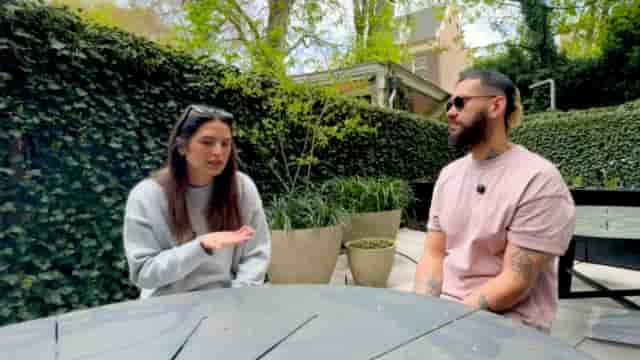
Two critics dissect why Coachella has lost its soul, from Justin Bieber's YouTube performance to the influencer circus that overshadows the music.
The conversation started with Justin Bieber and ended with a simple conclusion: Coachella isn't really a festival anymore. It's a commercial production designed for screens, not the people actually standing in the desert heat.
When Bieber took the Coachella stage and scrolled through YouTube videos of his younger self instead of performing full songs, it became iconic in the worst possible way. The performance was healing for him, sure. Watching him confront old videos like "Baby" after years of apparent trauma from early fame was clearly therapeutic. But was Coachella the right platform for that personal reckoning?
"I mean, if you need healing, just do it at home and give us a performance."
The bigger issue isn't just one artist's questionable set choices. It's what Coachella has become: a festival where female artists are expected to deliver massive, elaborate productions while male artists can show up and do the bare minimum. Sabrina Carpenter performed inside a car with a fountain, an objectively insane production feat, and people still complained it wasn't enough. Meanwhile, Bieber played snippets of songs over YouTube videos, and the conversation became about his artistic journey rather than what fans paid to experience.
Here's the thing about Coachella: it would only be worth attending with the full celebrity treatment. VIP access, a private corner away from the crowds, food that doesn't cost $50 for a burrito. Without that, the festival experience itself is fundamentally broken.
The production is designed for cameras, not human eyes. When you're standing in a massive crowd watching Sabrina Carpenter get into that car, you're not actually seeing the show. You're watching it on the screens, same as everyone at home. The Super Bowl has the same problem. These events are television productions that happen to have a live audience, not live experiences that happen to be filmed.
Coachella is just a big commercial mess at the end.
The people attending Coachella now are part of the problem. It's become a second-chance platform for artists whose careers have stalled, a place to post pictures proving you're still industry-relevant. It's influencers getting free trips from Starbucks and Huda Beauty, wearing elaborate outfits that literally nobody cares about, documenting a weekend that's more about brand partnerships than music.
The camping content is entertaining to watch. People hauling couches and full living room setups for a weekend festival makes for great TikTok videos. But the reality? That level of effort for an overcrowded, overpriced event in a remote California desert feels less appealing by the year.
Every year when Coachella happens, Beychella trends again. People compare every new performance to Beyoncé's iconic set, and nothing measures up. It's almost funny how her performance remains the standard, the reference point that every artist gets measured against years later.
"Every time there's a new Coachella, the Beychella or Beyoncé's Coachella set, it trends again. Because everybody's talking about, 'Oh, this is better than Beyoncé.' And it's like, why do you have to always reference that?"
The answer is simple: because she was the best. Is the best. And that performance represented what Coachella could be before it fully transformed into an influencer content farm.
Despite all the criticism, there's an acknowledgment of hypocrisy here. If a brand offered VIP access, backstage passes, good food, and a comfortable place to relax between sets? Sure, Coachella could be worth it. The festival itself isn't the draw. The experience of attending like a celebrity might be.
But for the average festival-goer paying full price, dealing with crowds, sleeping in tents in the desert heat, and watching performances designed for cameras rather than live audiences? There are better festivals. Better experiences. Better ways to actually connect with music.
The reality is that Coachella has become what it was always going to become: a massive commercial event where brands spend ridiculous amounts of money, influencers get free trips they'll barely promote, and the actual music becomes secondary to the spectacle. It's not about the artists or the fans anymore. It's about the content, the cameras, and the carefully curated Instagram posts that make the whole circus keep spinning.
So no, Coachella isn't on the must-attend list. But if someone wants to change that with a brand deal and VIP access? The door is open. Critics can have their price too.