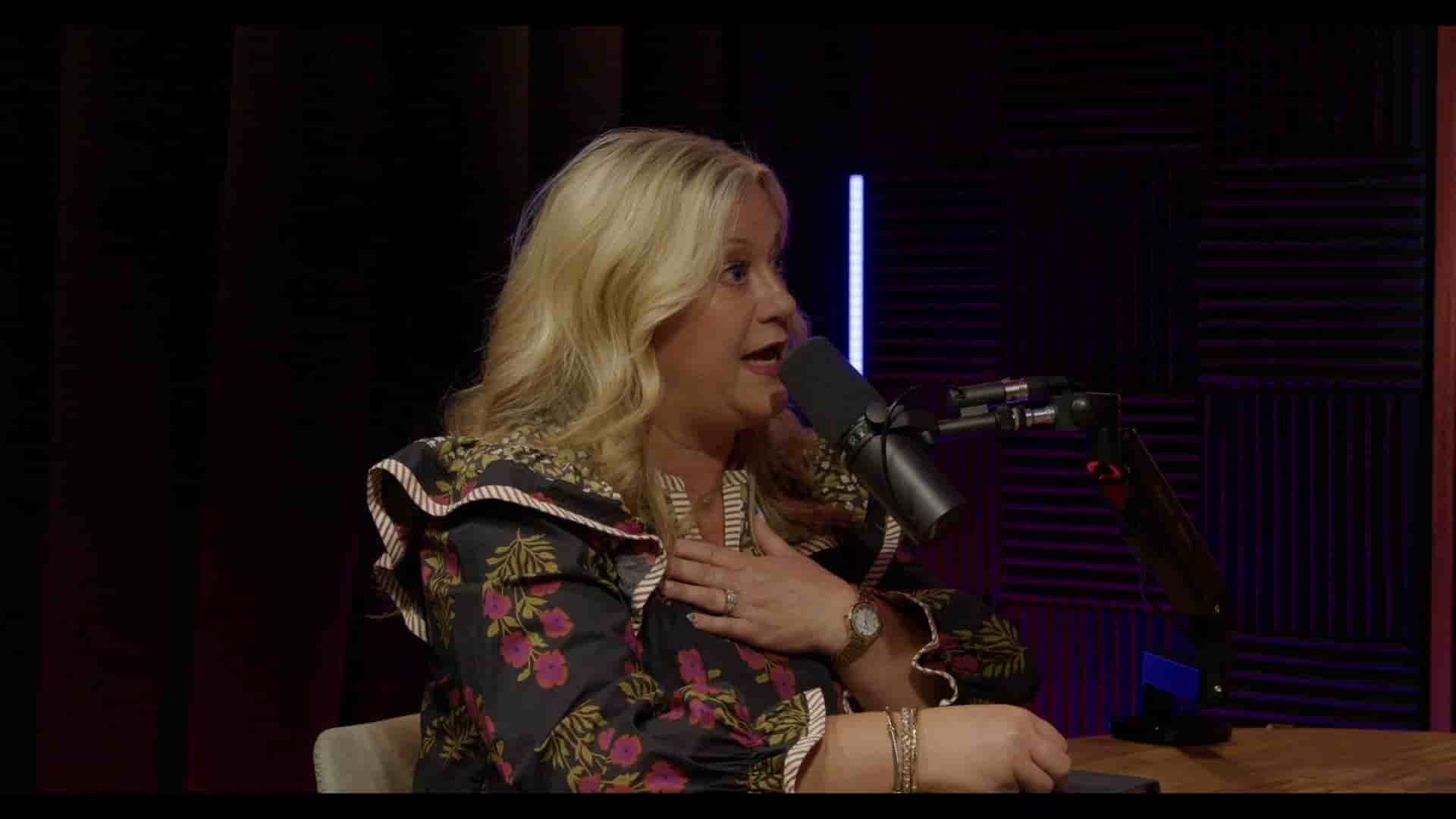
Hearing from God is the beginning of the process, not a shortcut through it. Todd and Katie break down preparation, submission, godly counsel, and why your faith is the one thing the enemy actually wants.
Nobody climbs a mountain the same day they decide to climb it. That's the analogy Todd opens with, and it cuts right to the thing a lot of people in ministry refuse to hear: hearing from God is the beginning of the process, not a shortcut through it. The vision is real. The calling may be real. But between the word you received and the thing actually happening, there is a stretch of preparation that most people skip in their minds while skipping none of it in real life.
The problem isn't ambition. It's the assumption that the size of the vision exempts you from the size of the preparation. You want to plant five churches? Great. Do you show up faithfully to the one you're already part of? That question isn't a rebuke of the vision. It's the first practical step toward it.
The Lord's going to bless what he told you to do. You do what the Lord's blessing.
Todd and Katie's own story makes this concrete. They knew years before it happened that they were called to start a church. They had confirmation from other ministers. They laid it before their pastor. And then they waited, two years longer than they expected, because their pastor needed them where they were. Their response: "Absolutely. Then that's what we're going to do."
That kind of submission is harder than it sounds, especially when you're convinced of the direction. The temptation is to treat spiritual confirmation as a green light and start moving regardless of timing, authority structure, or the people God placed around you. But the way the Lord works, as Todd puts it, involves an authority structure he places in the natural. Ignoring that structure in the name of following the Spirit is usually just impatience dressed up as faith.
We're determined that we're going to go with the blessing of God. We're not going to go before.
Surrounding yourself with people who only affirm you isn't safety. It's a setup. Todd is direct about this: you need people around you who are stronger than you, people who feel the freedom to ask "are you sure that's what you should be doing?" without worrying you'll walk away from the relationship.
He and Katie are intentional about this even now, years into ministry. They regularly tell the leaders in their lives: if you see something off, if we're going in a wrong direction or not stepping up like we should, say it. That invitation has to be standing and sincere, because the alternative is what he describes as letting someone you barely know affirm what you already want to do while dismissing the people who actually know you because what they say challenges your thinking.
The school of hard knocks is not the fastest way to get it done. You're going to have to heal after, and that sets you back.
When T.L. Osborne sat down uninvited at their dinner table during the early mass evangelism days, Todd and Katie asked questions and drank it in. Osborne told them he lived a lonely life because nobody came to talk to him anymore. All that accumulated wisdom, and no one was drawing from it. Todd says that's a massive mistake, and the fix is simple: when you're near people with real track records and real experience, shut your mouth and ask questions.
The most vivid illustration in this conversation is a story Katie tells about her time on staff with Rodney and Adonica Howard-Brown, doing live television, three hours a night, six nights a week. She was hosting. Multiple cameras, live prayer requests streaming in on iPads, papers being handed to her, a studio audience, all of it happening simultaneously. And in the middle of all that, a colleague, one who hadn't been asked to host or co-host yet, texted her: you're talking too fast.
Katie's immediate reaction was fury. Who are you to tell me that? You're not even up here doing this.
I can't believe the Holy Spirit. I'm like, whose side are you on here? Mine or hers?
The Holy Spirit's response, delivered mid-broadcast while she was trying to keep her face neutral: you are talking too fast.
The lesson she draws from that isn't just about feedback. It's about a spirit of rejection. When correction lands and it feels like an attack, sometimes the issue isn't the correction. It's that unhealed rejection causes you to read everything aimed at you as an assault. The person trying to help you looks like the person trying to hurt you. And until that gets dealt with, you'll keep discarding the truth along with the messenger.
The through-line of the whole conversation is this: the enemy's primary target is not your comfort or your circumstances. It's your faith. Todd connects this directly to what Jesus said to Peter: Satan has desired to sift you, but I've prayed for you that your faith might not fail. The prayer wasn't that Peter would never make a mistake. It was that his faith would hold.
That framing matters. A life of faith doesn't mean a life without pressure, criticism, unexpected job losses, or closed doors. It means you're built to take those hits without folding. Strong faith people don't give the enemy easy footholds because they've already settled the foundational questions. An attack can come any day. They're not looking forward to it. But they're not caught off guard either.
"The righteous flourish in every season. If we believe the word of God, declare it, and mix action with our faith, we're always increasing." — Katie
The seed parable in Mark 4 is the practical frame for this. The enemy comes immediately when the word is sown, before it takes root, because he knows what it will produce. Discouragement, a bad report, a careless comment from a well-meaning Christian, all of it is designed to get you to let go of the seed before you ever see the harvest. The righteous don't flourish because nothing hard comes at them. They flourish because they don't let go.
The closing challenge is direct: stop saying "the struggle is real." The victory is real. You carry the DNA of an overcomer. Your life of faith should be something other people look at and learn from, not a private battle you're barely surviving.
That doesn't mean pretending nothing is hard. Todd is honest that everyone has taken the opportunity to sulk, mope, and nurse a bad attitude at some point. But there's a choice at the end of that stretch. You can keep losing ground, or you can recognize that every single thing you face, including the things the enemy threw at you, was intended by God to be a stepping stone to something greater. The closed door you're staring at in grief might be the very thing that frees you to see the open one.