A 1936 photograph, a Dutch farmer on a bicycle, and what the research actually says about who acts when it matters.
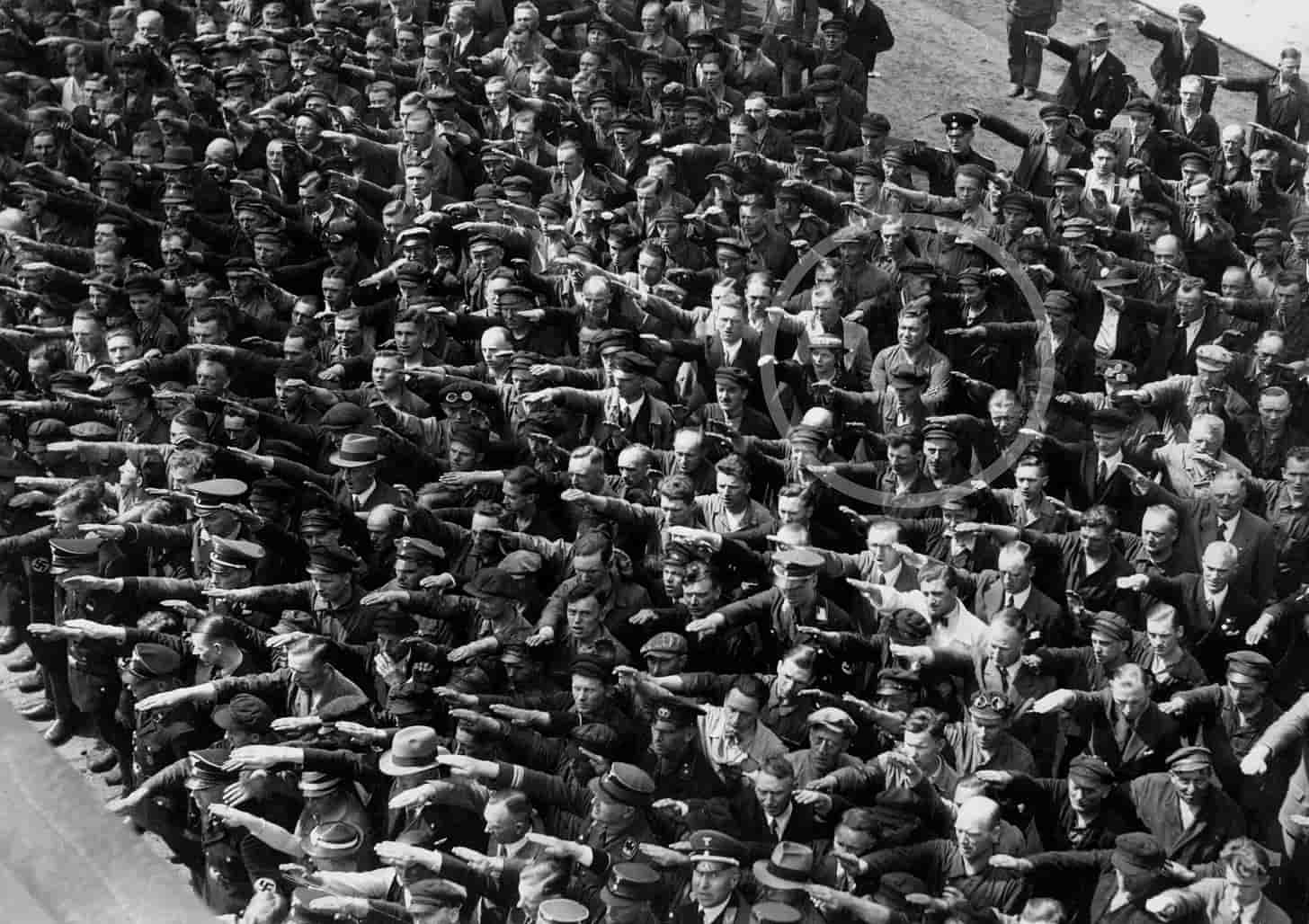
There’s a photograph from 1936 that has obsessed me ever since I was a boy. It shows a crowd of German shipyard workers, hundreds of them, doing the Nazi salute. They’ve got their arm stretched out toward the Führer. Every single one of them.
Except… one.
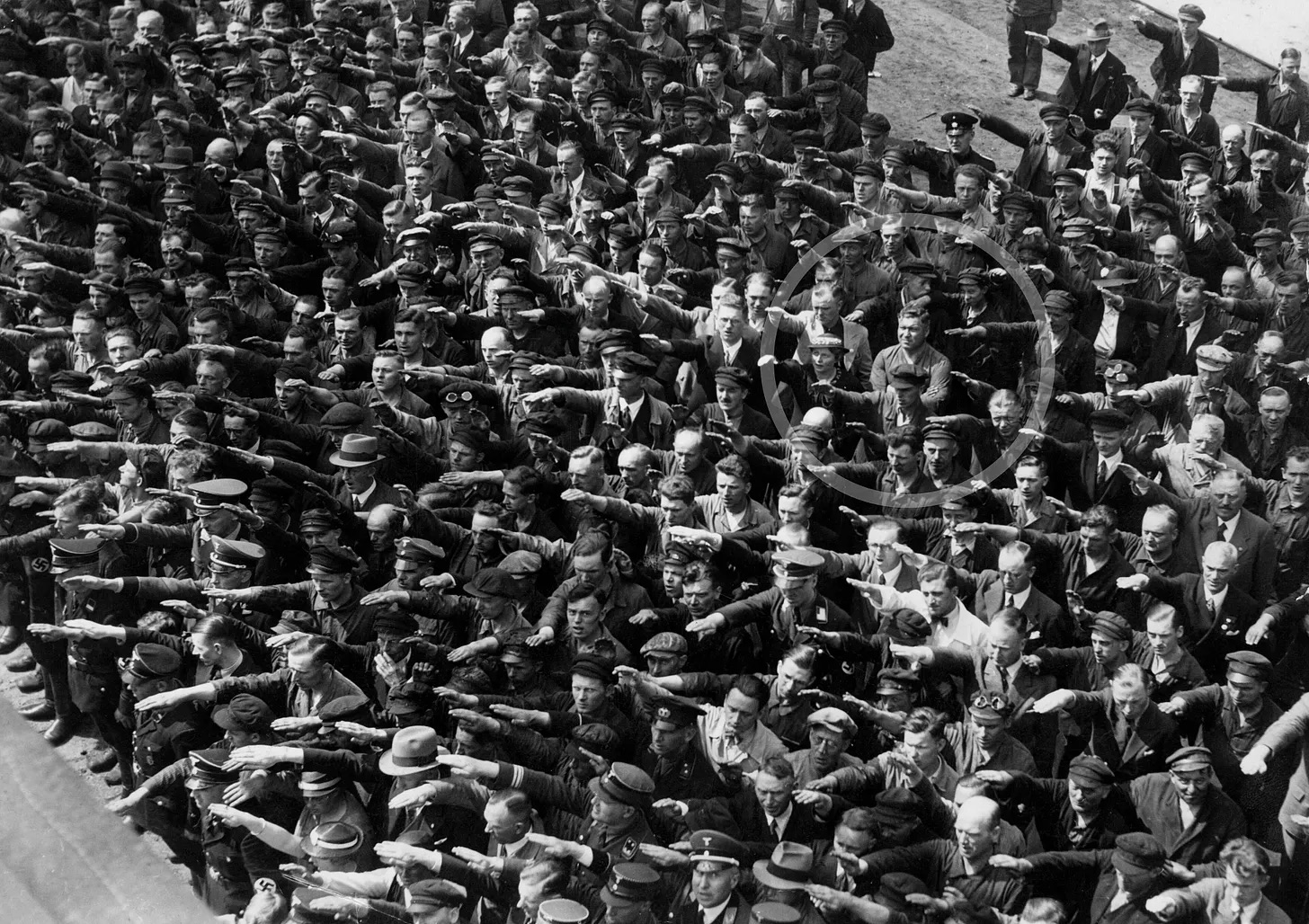
If you look closely, in the middle of the crowd, there’s a man standing with his arms folded across his chest. While everyone around him salutes, he just… doesn’t.
For decades, no one knew who this guy was. The photograph sat in the archives, gathering dust. Until November 15, 1995, when a German historian placed an ad in Hamburg’s evening paper: Does anyone recognize this man?
That same week, a woman responded. It’s my father, she said. His name was August Landmesser, and his story was heartbreaking.
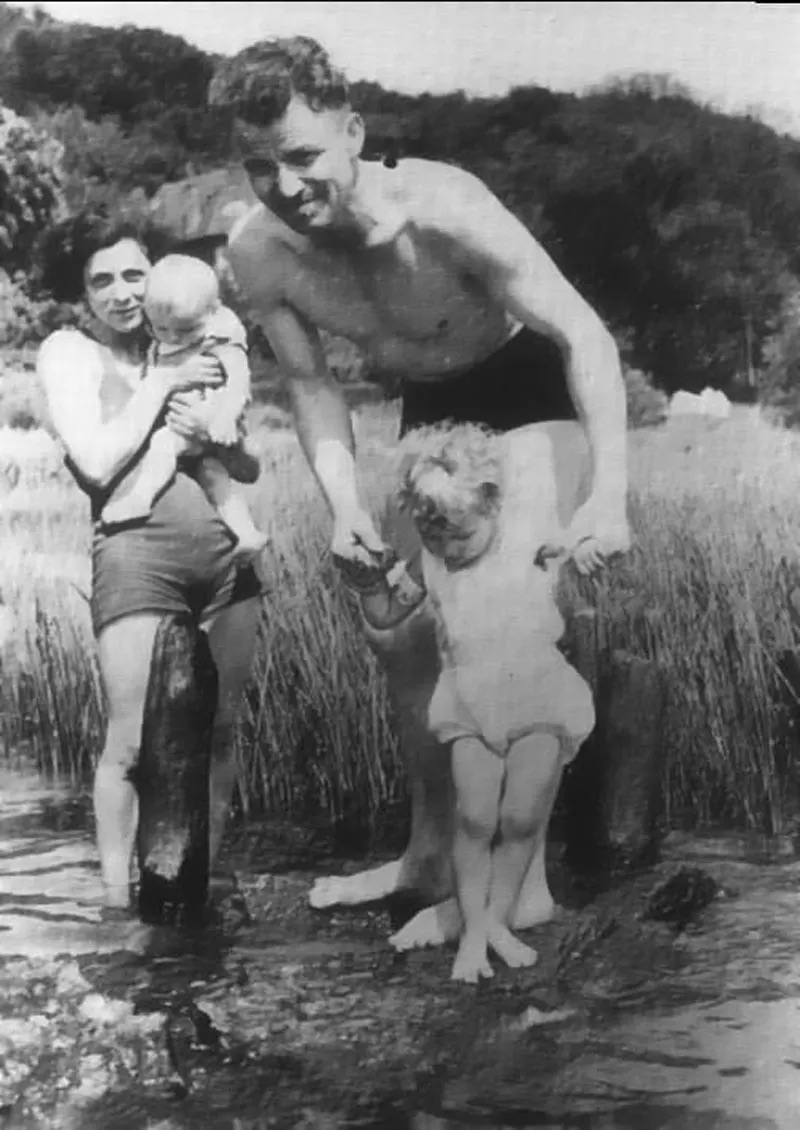
In 1931, August had joined the Nazi party, just to get a job. But then he fell in love with a Jewish woman named Irma Eckler. They had two daughters together. But in 1938, a month after this family photo was take – we see a smiling dad and a mother holding her baby tight – the Gestapo came. The children were sent to an orphanage. The mother was sent to a concentration camp. The father was sent to the front, where he was killed in 1944.
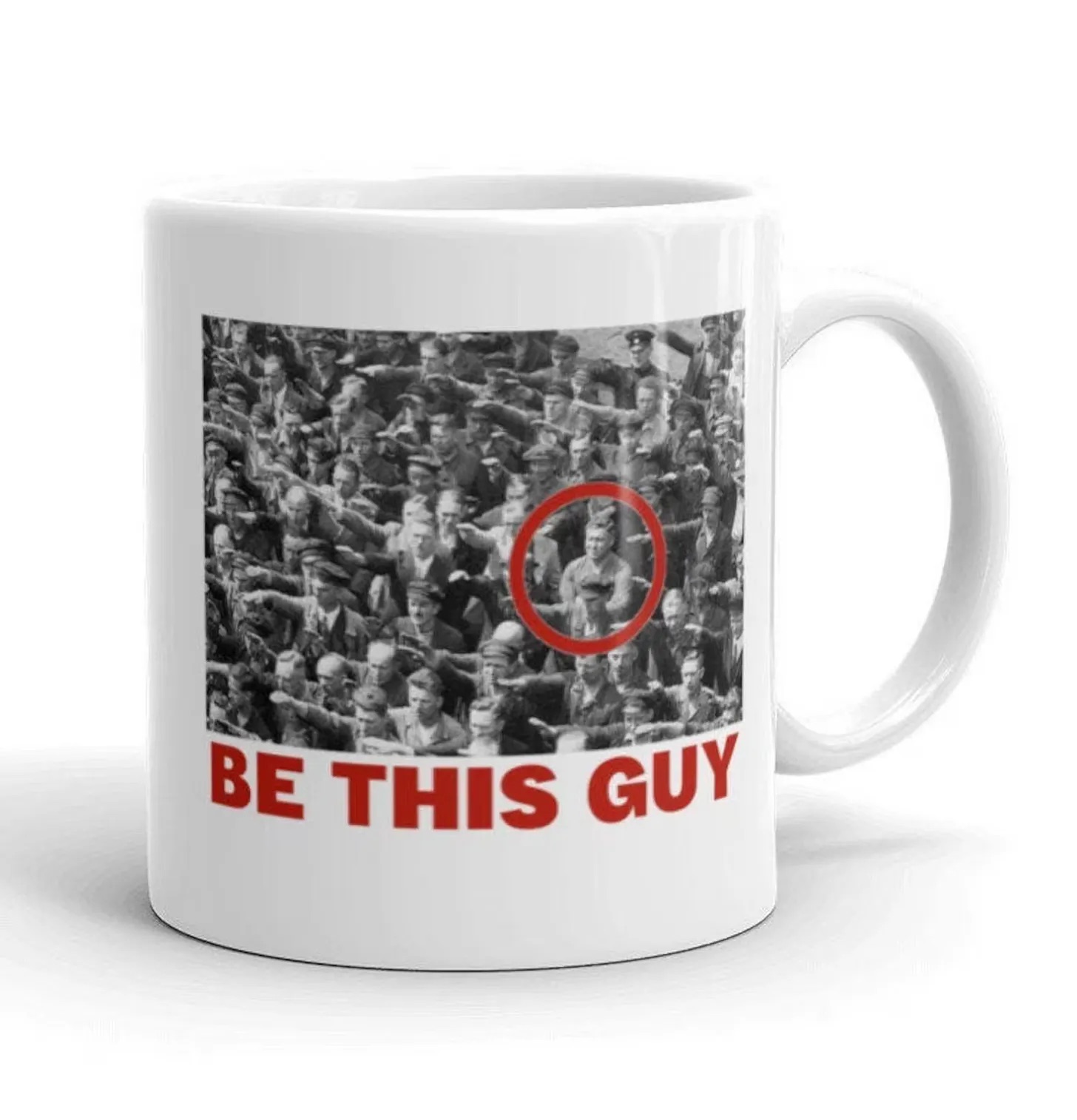
Today, that picture of August Landmesser, refusing to salute, is everywhere. On badges, postcards, t-shirts, posters. And every time it goes viral, the commentary is the same: BE THIS GUY.
But here’s the question that I’ve been thinking about since I first saw it:
Would I have been that guy?
Would I have had the courage to resist? Or — and let’s be honest here — would I have gone along with the crowd, like almost everyone else?